
October 3, 2025 • 2 min read
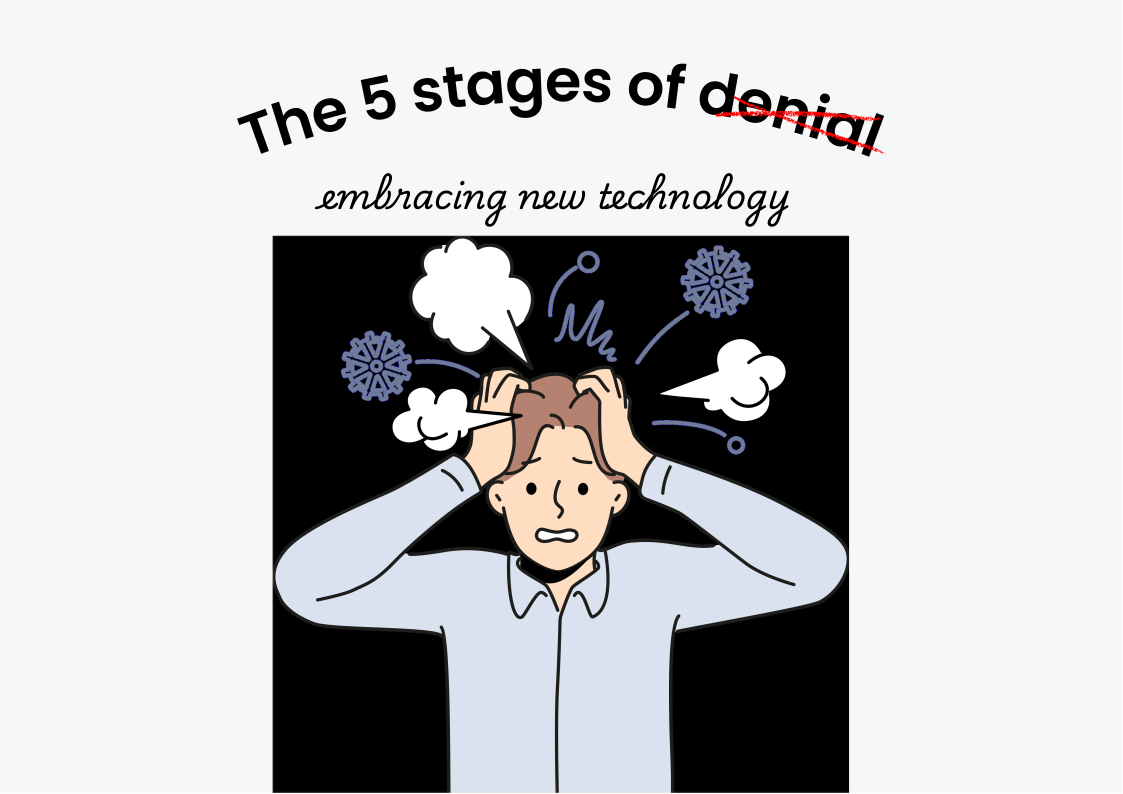
The 5 Stages of Denial: Embracing Technology in Your Workflow
Let’s face it - change is hard. Whether it’s switching up your morning routine, trying a new diet, or adopting a new piece of technology, there’s something about stepping out of your comfort zone that feels… well, uncomfortable. And when it comes to integrating new tech into your workflow, the struggle is real. It’s not just about learning a new tool; it’s about letting go of old habits, rethinking how you work, and sometimes even questioning your own abilities. Sound familiar? You’re not alone.
Interestingly, the way we resist technology often mirrors the five stages of denial, a concept originally used to describe the emotional process of grief. But here’s the thing: understanding these stages can help us navigate the ups and downs of adopting new tools - like Perci, a workflow app designed to reduce admin burden for allied health professionals and nursing - and make the transition smoother. So, let’s walk through each stage together, explore how they show up in the workplace, and talk about how we can move past them to embrace the tools that can make our lives easier (yes, really!).
Stage 1: Absolute Denial – Why Resist New Technology?

“I Don’t Need This. Everything’s Fine.”
Absolute denial is the stage when we dig our heels in and refuse to admit there’s even a problem. In a workplace context, this might sound like:
- “Our current system works just fine. Why fix what isn’t broken?”
- “Technology is just a trend. It’ll pass.”
- “We’ve always done it this way, and we’re successful.”
Sound familiar? At this stage, we’re not just resistant to change; we’re downright dismissive. We might even roll our eyes at colleagues who are raving about the latest productivity app or automation tool. The truth is, absolute denial often stems from fear - fear of the unknown, fear of failure, or even fear of admitting that we might not be as efficient as we thought.
How to Move Forward: The first step is to acknowledge that denial is a natural response. It’s okay to feel hesitant, but it’s also important to challenge those feelings. Start by asking yourself: “What am I afraid of?” Is it the learning curve? The time investment? Once you identify the root of your resistance, it’s easier to address it. Try dipping your toes in the water by exploring one small tool or feature. Even exploring one small tool - like Perci, which helps summarise clinical notes - can make a noticeable difference in your workflow. You might be surprised at how quickly you start to see the benefits.
Stage 2: Partial Denial – Delaying Digital Change

“Okay, Maybe There’s a Problem… But It’s Not That Bad.”
In the second stage, we start to crack. We might admit that our workflows aren’t perfect or that technology could *maybe* help - but we’re not ready to fully commit. This stage often sounds like:
- “Sure, technology could help, but it’s not a priority right now.”
- “We’ll get to it eventually, but we’re too busy with other things.”
- “It’s not that big of a deal. We’re still doing okay.”
Here’s the thing: partial denial is sneaky. It lets us feel like we’re making progress without actually doing anything. We might acknowledge the problem, but we’re not ready to take responsibility for solving it. And let’s be honest, sometimes it’s just easier to stick with what we know, even if it’s not ideal.
How to Move Forward: The key here is to start small. You don’t have to overhaul your entire workflow overnight. Pick one tool or process that could make your life easier and focus on that. For health professionals, Perci can automatically create structured clinical notes from calls or meetings, turning hours of admin into minutes. Small wins like this help build momentum and confidence with technology, proving to yourself that change doesn’t have to be overwhelming.
Stage 3: Acknowledgment with Resistance – Struggling with Tech Adoption

“Fine, I’ll Try It… But I Don’t Have to Like It.”
By the third stage, we’ve moved past denial - sort of. We recognise the need for change and might even agree to adopt new technology, but we’re not exactly enthusiastic about it. This stage often looks like:
- Procrastinating implementation deadlines.
- Using new tools in a limited or superficial way.
- Blaming the technology for any challenges or setbacks.
This stage can be frustrating, for everyone involved. You might feel like you’re going through the motions, using the new tool because you *have* to, not because you *want* to. And when things don’t go perfectly (because they rarely do), it’s easy to throw up your hands and say, “See? This is why I didn’t want to do this in the first place!”
How to Move Forward: The key here is to shift your mindset. Instead of focusing on what’s not working, look for small wins. For instance, did Perci save you 10–15 minutes on notes after a client session? Did it help you avoid a follow-up error? Even tiny improvements build trust in the technology. And don’t be afraid to ask for help, whether it’s from a colleague, a tutorial video, or customer support. Remember, it’s okay to stumble as you learn. What matters is that you’re trying.
Stage 4: Denial as Grief – Missing Old Workflows

“I Miss the Old Way of Doing Things.”
Here’s where things get emotional. Adopting new technology often means letting go of old habits, and that can feel like a loss. It’s not just about learning a new tool; it’s about saying goodbye to the way things used to be. This stage might sound like:
- Anger: “Why do we have to change everything? This is so frustrating!”
- Bargaining: “Can’t we just keep using the old system for a little longer?”
- Depression: “I’ll never get the hang of this. It’s too complicated.”
These emotions are completely normal. Change is hard, and it’s okay to feel a little sad or frustrated as you navigate it. The important thing is to acknowledge those feelings without letting them hold you back.
How to Move Forward: Give yourself grace. It’s okay to miss the old way of doing things, but try to focus on the positives. What can this new tool help you achieve? How might it make your life easier in the long run? And don’t forget to lean on your team for support. Chances are, they’re feeling the same way. By sharing your struggles and successes, you can help each other through the transition.
Stage 5: Acceptance – Thriving with New Technology

“Okay, This Isn’t So Bad… Actually, It’s Kind of Great.”
Finally, we reach the stage of acceptance. This is where the magic happens. You’ve moved past the resistance, the frustration, and the fear, and you’re starting to see the benefits of the new technology. This stage might look like:
- Proactively exploring advanced features of the tool.
- Identifying new ways to use it to streamline your workflow.
- Sharing your success stories and encouraging others to give it a try.
At this stage, the new technology isn’t just something you *use*, it’s something you *embrace*. It’s no longer a disruption; it’s an integral part of how you work. And the best part? You start to wonder how you ever managed without it.
How to Stay Here: To keep the momentum going, stay curious. Tools like Perci continue to evolve, offering more ways to save time and improve patient care. Encourage your team to share tips and tricks, and don’t be afraid to experiment with new features. The more you explore, the more you’ll discover just how powerful these tools can be.
Change Is Hard, But It’s Worth It
Adopting new technology isn’t just about learning a new tool; it’s about embracing a new way of thinking. It’s about letting go of what’s familiar and stepping into the unknown. And yes, it’s hard. But as we move through the stages of denial - from absolute denial to acceptance - we start to see the possibilities. We start to realise that change isn’t just necessary; it’s an opportunity.
So, the next time you find yourself resisting a new tool or system, remember - denial is just the first step. It’s okay to feel hesitant, frustrated, or even a little sad. What matters is that you keep moving forward. Because on the other side of denial is a world of possibility - a world where technology doesn’t just change how you work; it transforms how you thrive.